
RFID Stickers: Revolutionizing Inventory, Tracking, and Custom Applications
In recent years, RFID stickers have emerged as a game-changing technology, offering seamless solutions for inventory management, tracking, and other specialized applications. Whether you’re managing a growing warehouse, enhancing security, or personalizing automotive applications, RFID stickers bring unrivaled efficiency and versatility to the table.
But their potential doesn’t stop there. From programmable RFID stickers to custom designs tailored for unique needs, there’s something for everyone. In this comprehensive guide, we’ll explore everything you need to know about RFID stickers—including their types, benefits, and how to effectively program them. Whether you’re searching for “RFID stickers near me” or investigating “how to program RFID stickers,” we’ve got expert insights just for you.
What Are RFID Stickers and How Do They Work?
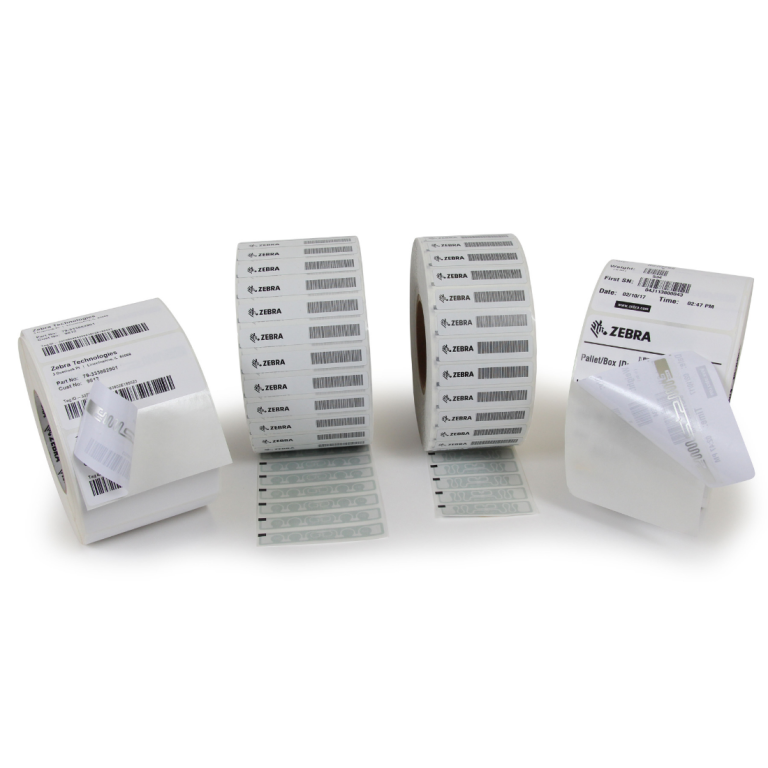
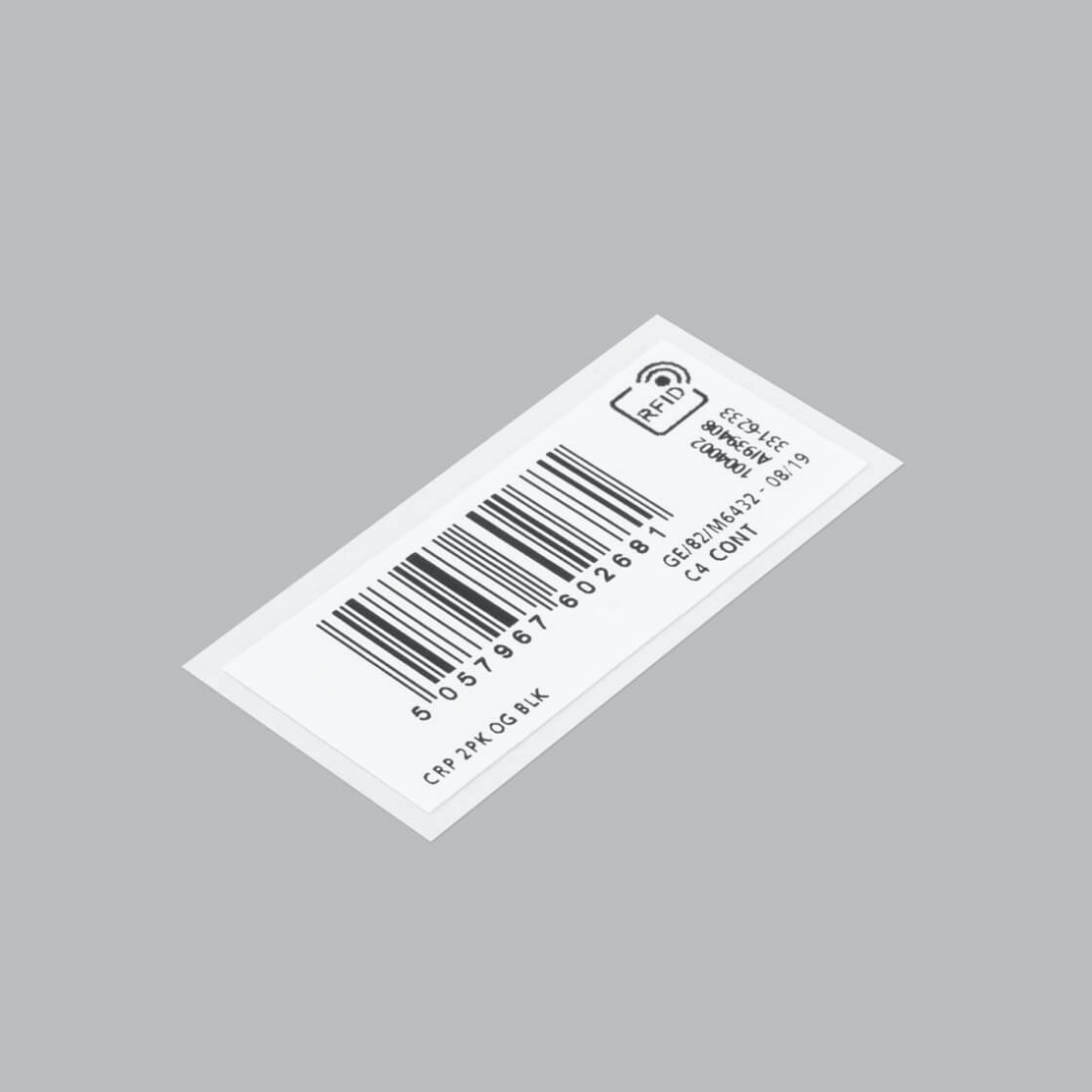
RFID (Radio Frequency Identification) stickers are small adhesive labels embedded with RFID chips and antennas. These tags transmit data through radio waves, allowing you to identify and track items without physical contact. They are commonly used in logistics, manufacturing, retail, healthcare, and even automotive industries.
RFID stickers typically include a microchip that stores information and an antenna that communicates with RFID readers. What makes them superior to traditional barcodes is their ability to store more data, scan multiple tags simultaneously, and function without a direct line of sight. Whether you’re deploying Custom RFID Stickers for inventory or integrating programmable tags into your systems, RFID technology offers unmatched scalability and accuracy.
The Many Uses of RFID Stickers in Modern Applications
Businesses across various sectors are leveraging RFID stickers to enhance operations, improve asset tracking, and streamline workflows. Let’s take a closer look at some key applications:
1. RFID Stickers for Inventory Management
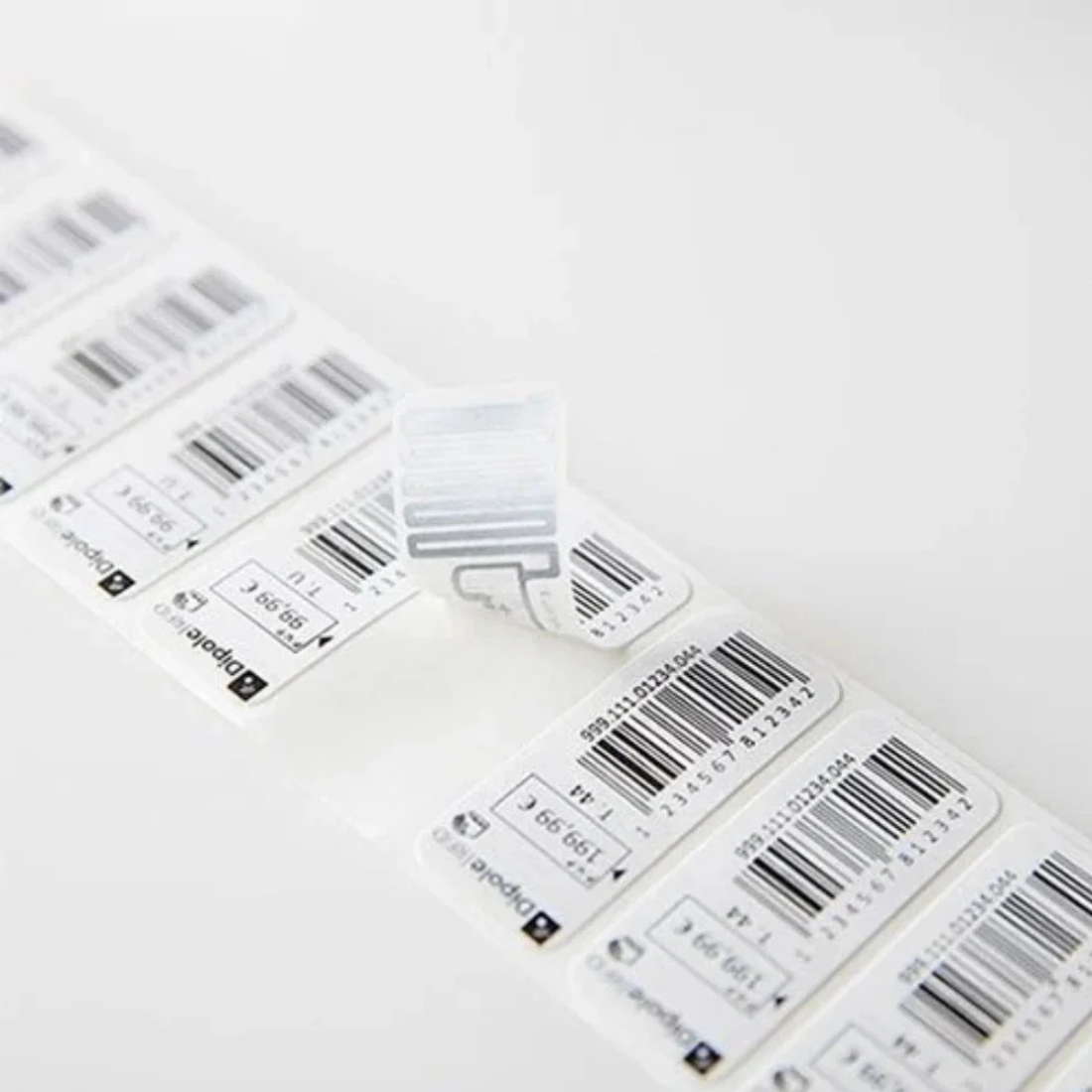
Inventory management is one of the most popular use cases for RFID technology. With RFID stickers for inventory, businesses can automate stock tracking, reduce manual counting errors, and gain real-time insights into stock levels. Unlike traditional barcodes, which require individual scans, RFID scanners can simultaneously read hundreds of tags, drastically reducing time and effort.
2. Enhancing Security and Tracking
RFID stickers are widely used for tracking shipments and assets across the supply chain. Businesses seeking “RFID stickers for tracking” will find them invaluable for monitoring goods in transit, ensuring accurate delivery, and preventing theft. Custom RFID stickers can even be personalized with tamper-evident designs or additional authentication features for enhanced security.
3. Automotive Innovations
RFID stickers for cars are another emerging trend. These tags allow for contactless vehicle access, streamlined toll payments, and real-time fleet management. Whether you’re managing a delivery fleet or a parking facility, RFID technology significantly elevates operational efficiency.
How to Program RFID Stickers
One of the key advantages of RFID technology is its programmable nature. Programmable RFID stickers allow users to configure the stored data based on their specific applications. Here’s a step-by-step guide on how to program RFID stickers effectively:
- Obtain the Necessary Equipment: To program an RFID sticker, you’ll need an RFID reader/writer and compatible software suited for your type of RFID tag. Most modern devices are user-friendly, with straightforward software interfaces.
- Select the RFID Type: Ensure the RFID sticker you’re using supports write functions. Passive RFID tags are common for inventory tracking, while active or semi-passive tags are better suited for more complex applications.
- Customize the Data: Input the desired information (e.g., product details, serial numbers, or security credentials) into the RFID programming interface and write that data onto the tag.
- Test and Verify: After programming, test the RFID sticker to confirm it reads the correct data. Misprogramming can lead to operational inefficiencies, so double-check your setup before deploying it at scale.
By understanding how to program RFID stickers, companies can unlock limitless possibilities for personalization, scalability, and system integration.
Where to Find High-Quality RFID Stickers
If you’re wondering where to find “RFID stickers near me,” look no further than trusted online and local manufacturers specializing in custom designs. Platforms like “RFID stickers Amazon” offer general options, but for specialized requirements like tamper-evident tags, industrial-grade stickers, or unique shapes, working directly with a manufacturer like ASticker Printing USA is highly recommended.
Whether you need programmable RFID stickers or tailored solutions to fit specific applications, choosing high-quality, reliable designs ensures that your investment delivers maximum operational benefits.
Conclusion
RFID stickers bring transformative capabilities to businesses across industries, offering robust solutions for inventory management, secure tracking, and even custom applications for vehicles. By understanding “how to program RFID stickers” and exploring the full range of possibilities with custom RFID designs, businesses can enhance efficiency, streamline workflows, and stay ahead in a competitive market.
If you’re ready to explore the best-in-class RFID stickers, turn to ASticker Printing USA, a trusted provider of custom printed sticker solutions that deliver both quality and reliability. Start revolutionizing your operations today!


